Running, but make it trendy
How Gen Z are swapping hangovers for half marathons

G en Z, the generation often linked to being chronically on their phones, are now swapping nightclubs for running clubs. Strava's recording, headphones in and running vests on, appears to be the new weekend norm for Gen Z, but why? Sports Shoes revealed in 2025 that 60% of Gen Z are running weekly, which is just 2% behind millennials, who have been running longer. With the increase in social media activity and run club participation rates soaring, this has shown that within the Gen Z demographic, running has become more of a trend and a vibe than going out to exercise and keep fit. This is where half-marathons come into play. Half Marathons are a big achievement people can be praised for, but not as hard as a full marathon, so it suits Gen Z’s culture very well, wanting exposure and recognition for something that is still achievable. The importance of this change comes from variables like post-pandemic habits, mental health, community and identity, as well as the cost-of-living crisis. All these variables are massive contributors to the rise in running, as it is so versatile, and there are very low entry barriers into running. Rosie Tinbergen, a sports broadcaster, said this on the impact of Covid. “Covid had an impact on how we have seen more people visibly running. COVID forced us into social media in a way I don’t think people expected, especially to do with running and being active.”
The run doesn’t end when you stop your watch; it ends when you have posted it on Strava, uploaded a video to TikTok and posted a story on Instagram, often including a photo or graphic. The exercise taken up to get people off their phones has now made us inseparable from them. Maggie Klein, a running influencer, said: “I think social media has made it seem like it is more popular now than it was before, which it is, but equally running has always been a thing and will always be a thing, and Strava kind of changed the game as it made stuff sharable and more of a community feel.” With Gen Z being the main users on TikTok, the app has created a new community for these runners to share experiences and, without realising it, inspire more people to start running because they believe everyone is doing the same. This is where Half marathons provide a happy medium between something achievable and something that is still seen as extraordinary. Rosie said, “Social media has warped our perception of running. Part of it is that social media makes it out like 5k or 10k isn’t enough, so people then enter these half marathons because it’s a further distance that’s more realistically achievable than a marathon.” This idea that 5k or 10k isn’t enough is what drives Gen Z runners to sign up for half marathons more than it does to sign up for a charity or for fitness. The rewards that come with these apps: streaks, kudos and badges are another motivator for the Gen Z runners, as hitting that next distance will get them some kind of acknowledgement that they are doing well, and Gen Z live off validation. “Running has been glamourised on social media, seeing other running influencers and people running will influence people to do the same, especially young people,” says Maggie Klein. Social media has the impact of copy and pasting, where people see something online and feel obliged to replicate it for themselves, and this is why content creation in running has expanded. “People need and want content for their social media, and they see other people sharing it, and they think I want that image and look, so they create it themselves, which continues the cycle,” says the Marketing Director of The Great Run Company, Ollie Griffiths. Social media is that kryptonite that shapes Gen Z’s identity, which is why running training has become the new trendy way to influence our generation into their own running success and lifestyle. Runner Amy Bird said: “When you receive validation like kudos on Strava, it gives you that joy that you can only get from posting your running on social media to gain that attention, and nothing matches it.”
"Running has been glamourised on social media."
The advancement of run clubs has been able to reshape the running culture to create a community rather than a competitive feel. “Share the road with them, chat to them, people do chat whilst running, so there is definitely a social dimension that perhaps these run clubs can provide,” said sports broadcaster Geoff Wightman. You go to your local coffee shop in the morning and see groups of people enjoying coffees and pastries in sports kits. Those are the running clubs blossoming. These clubs thrive off the social side that comes post-run, as this is where people get to socialise and make friends. These clubs are also providing a safe place for new runners lacking in confidence to get out there on their own. “It’s a confidence thing; some people may not feel confident to run on their own, or some women don’t like running when it’s darker outside.” This is how run clubs have changed the culture of running, wiping the stereotype of having to do it on your own. People are coming together at these clubs to create a community and atmosphere so lovely to run in that people are swapping their nights out to enjoy the fresh air on a morning run with friends. Rosie also pointed out how “brands are piling into run clubs,” especially in London, where people can turn up to these new events and try out new brands and sports kit for free, as companies are noticing this boom in run clubs, where they can attract new people to try their products out, whilst running.

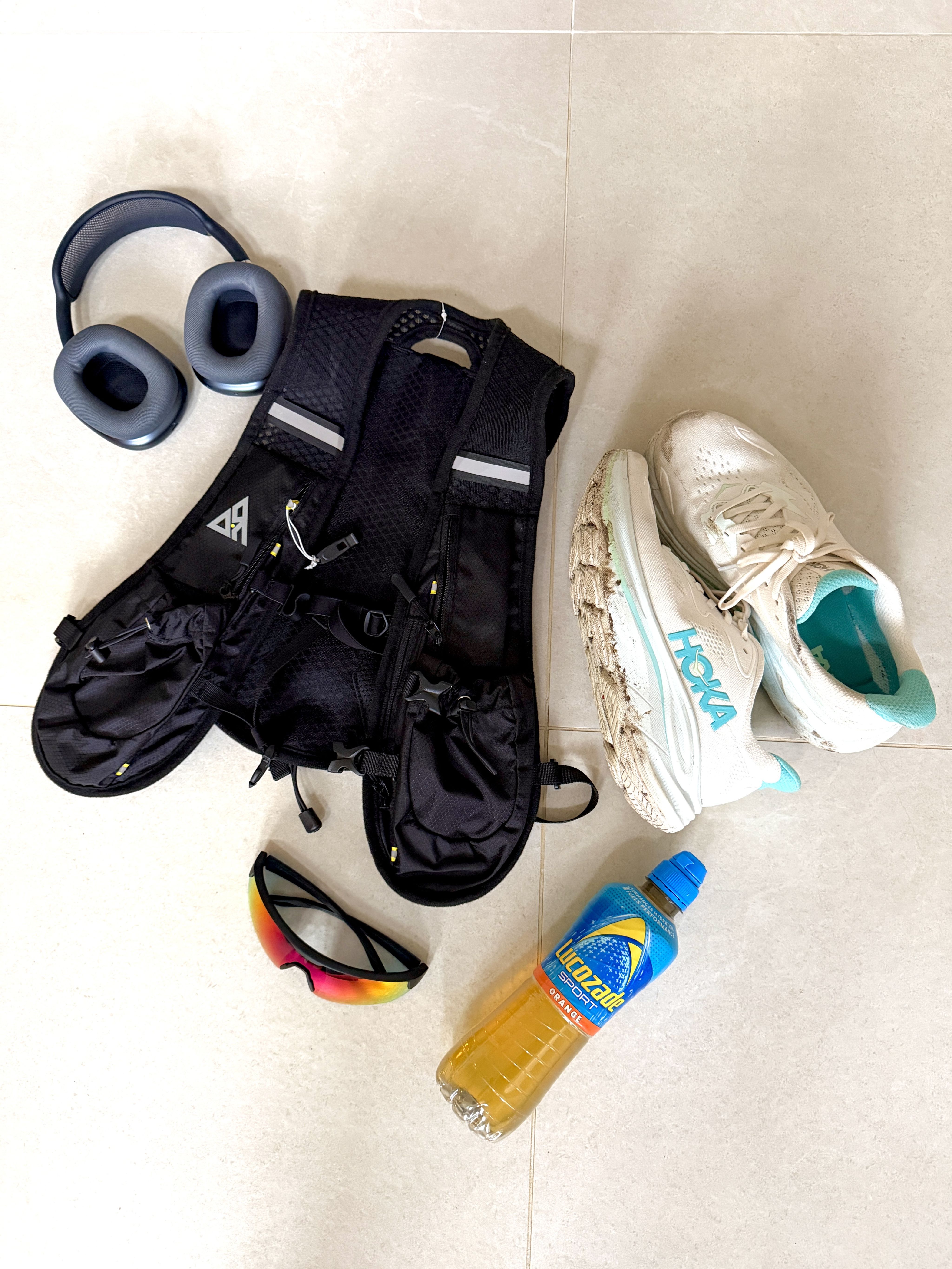
All the running kit you need to achieve [Photo: Paige Buffham]
All the running kit you need to achieve [Photo: Paige Buffham]

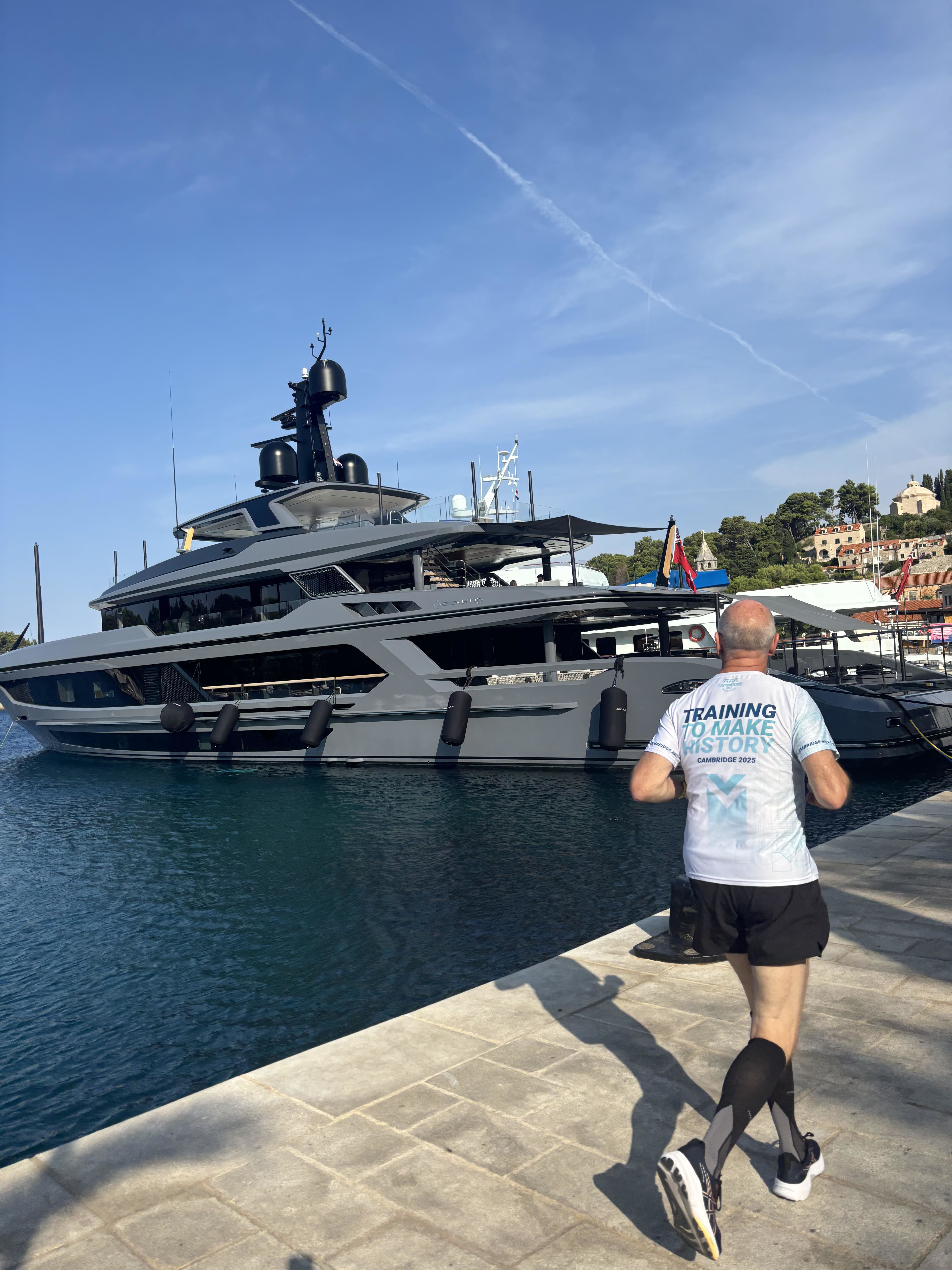
Running along Cavtat Harbour in Croatia with Mike Buffham [Photo: Paige Buffham]
Running along Cavtat Harbour in Croatia with Mike Buffham [Photo: Paige Buffham]
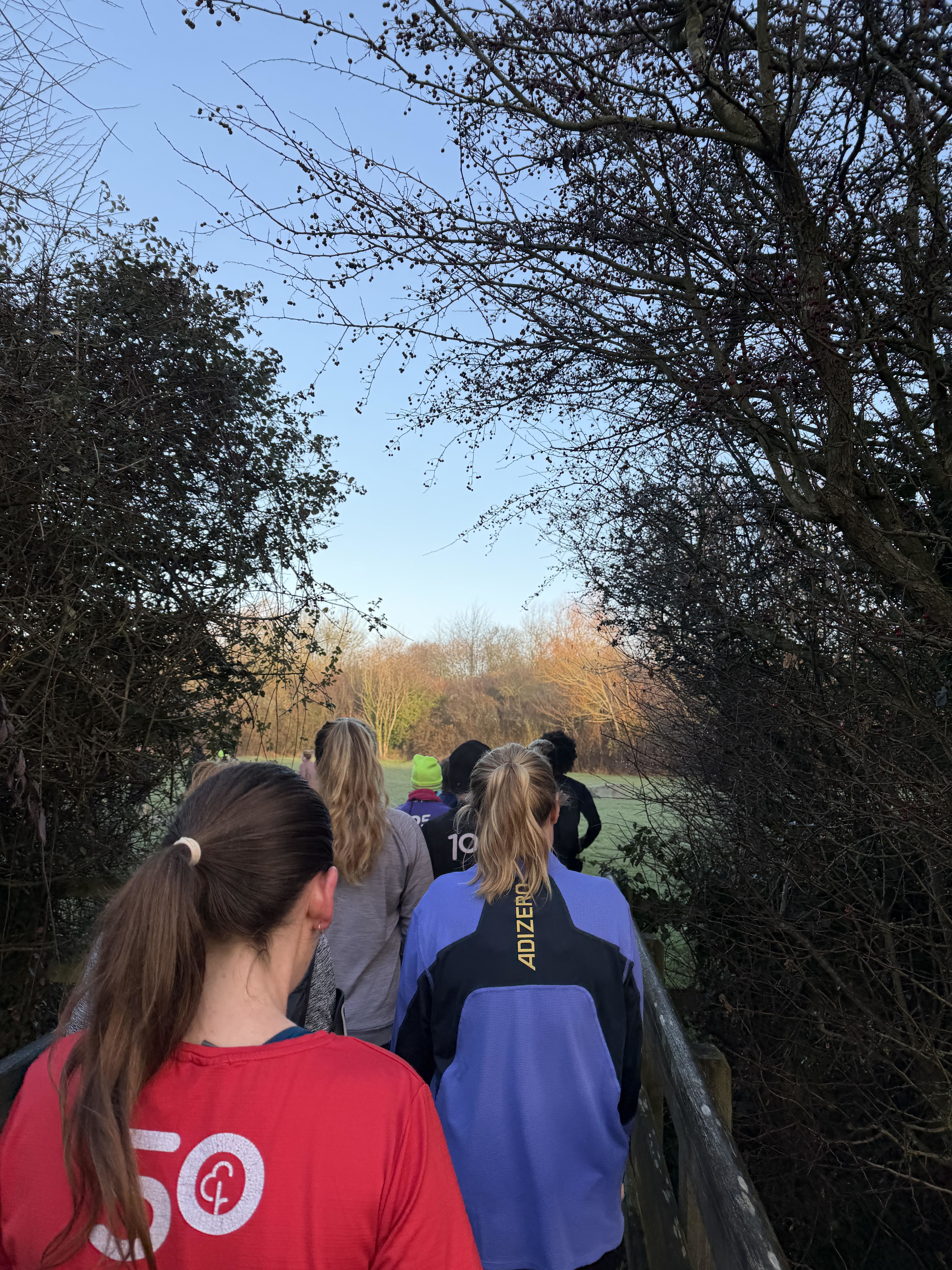
Running over the bridge through the park at Bicester Park Run [Photo: Paige Buffham]
Running over the bridge through the park at Bicester Park Run [Photo: Paige Buffham]
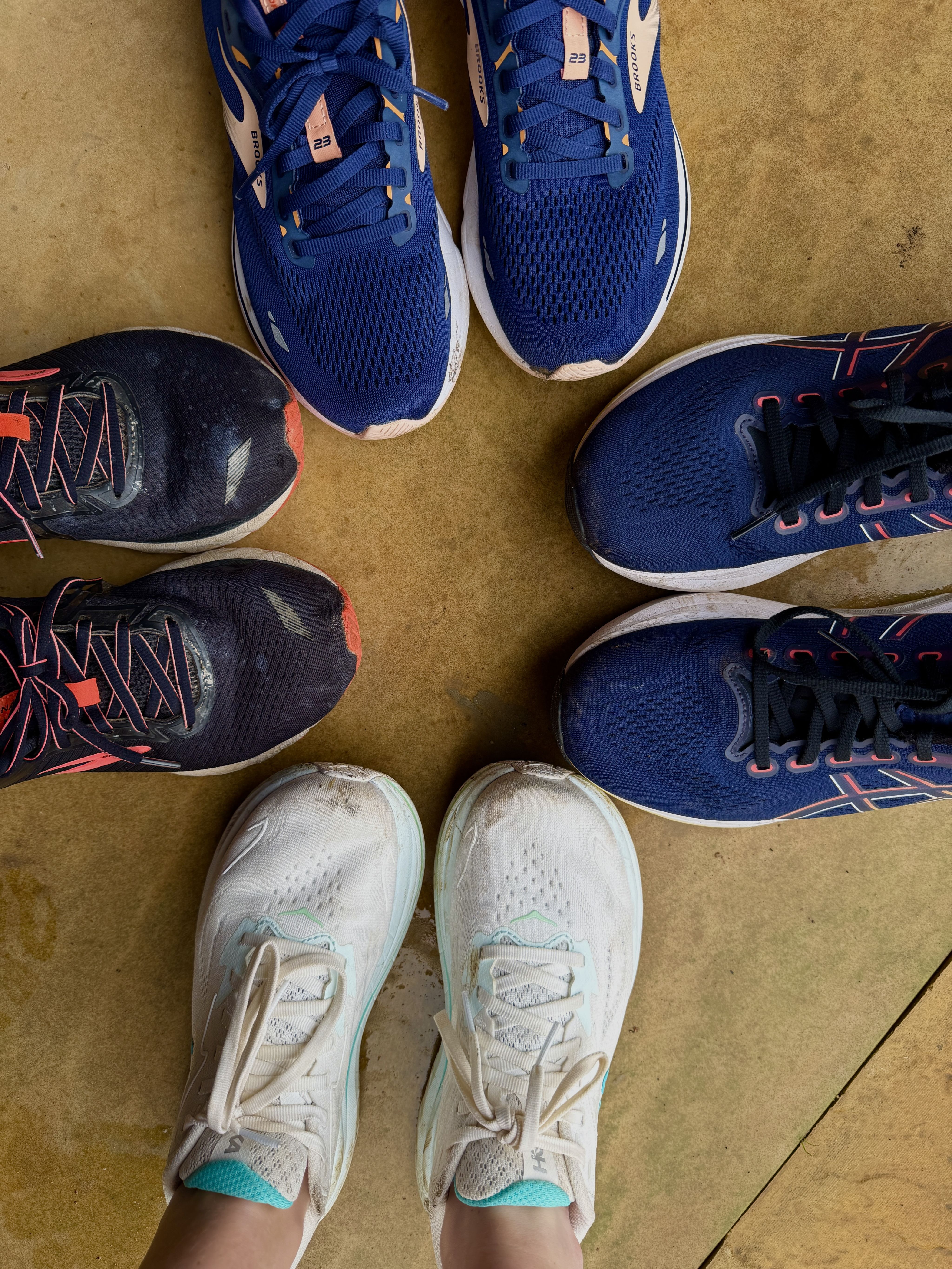
Run Club ready to run their distance and end with a socialising coffee [Photo: Paige Buffham]
Run Club ready to run their distance and end with a socialising coffee [Photo: Paige Buffham]

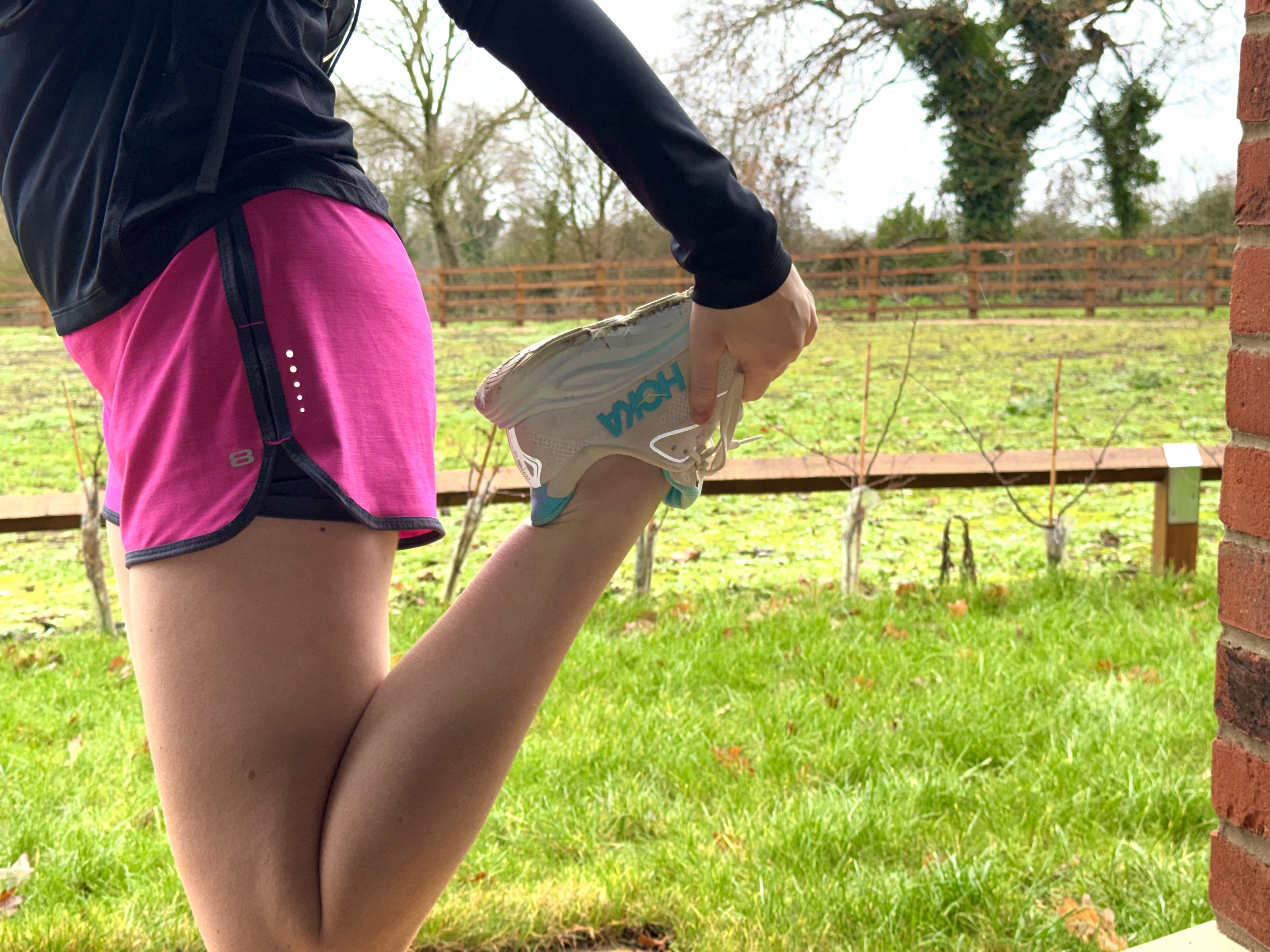
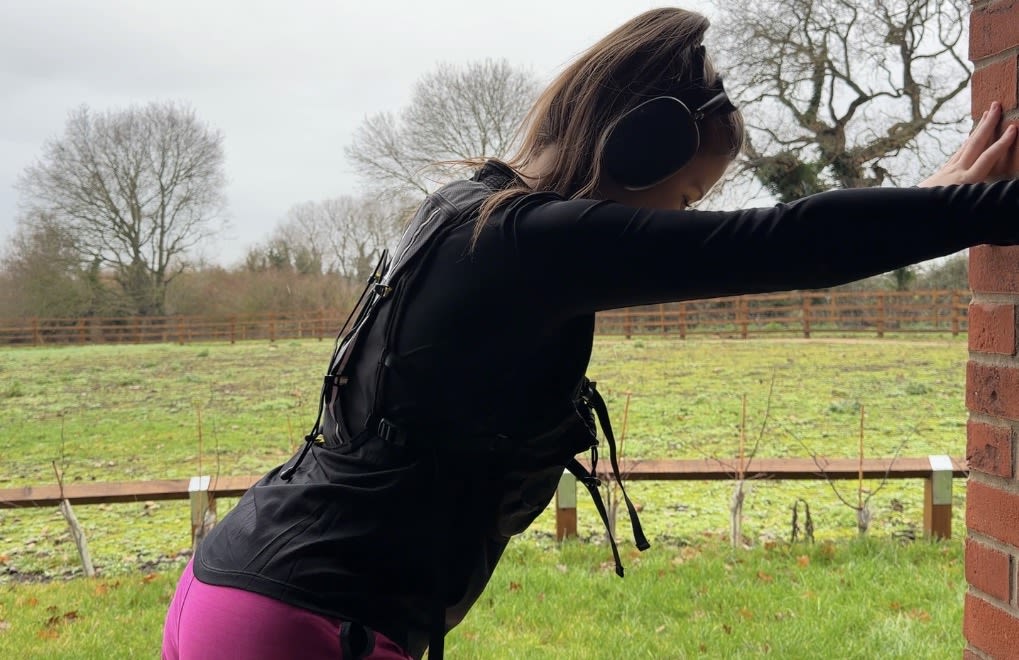
Pre-Run Stretches before braving the miles and roads [Photo: Paige Buffham]
Pre-Run Stretches before braving the miles and roads [Photo: Paige Buffham]

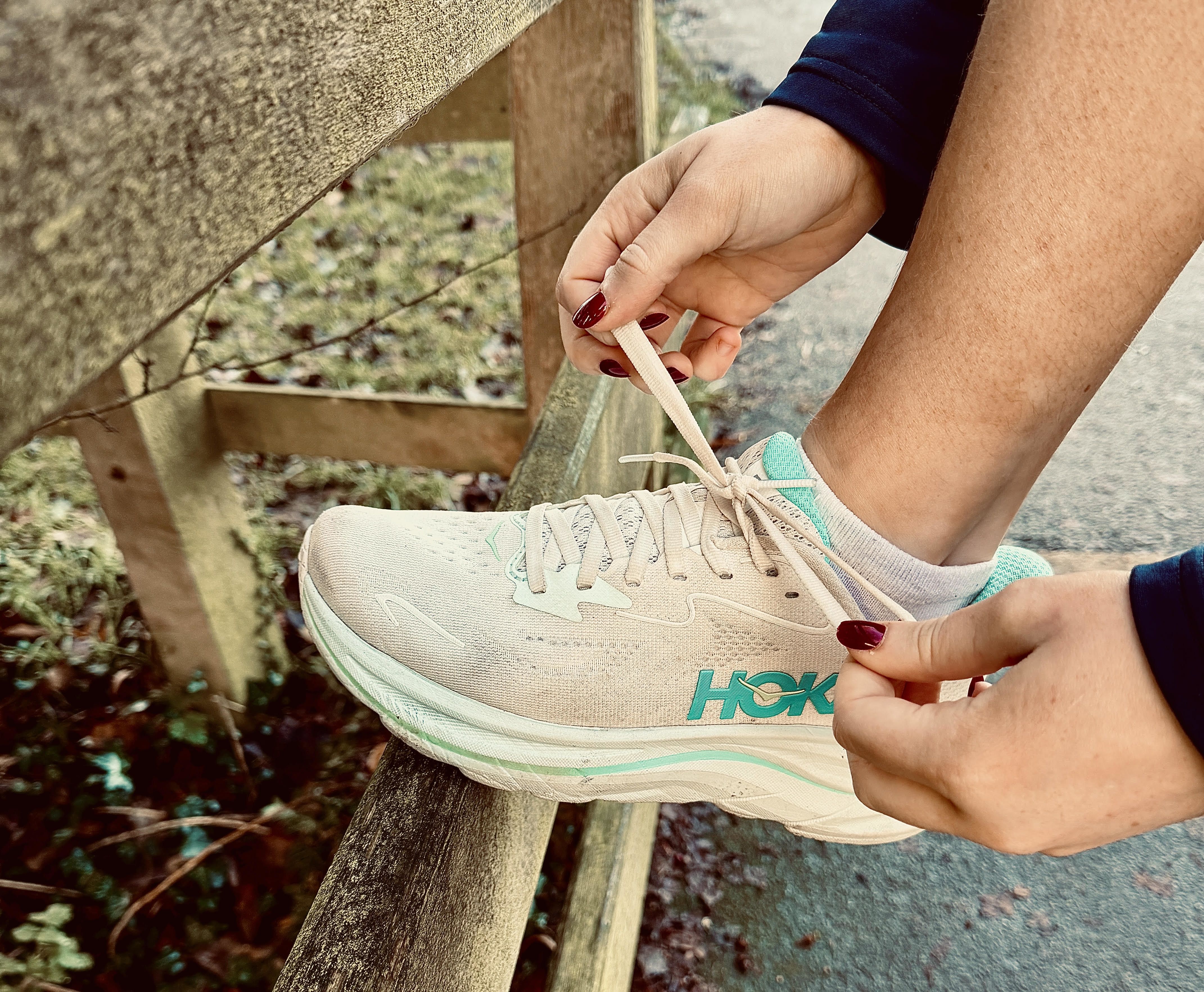
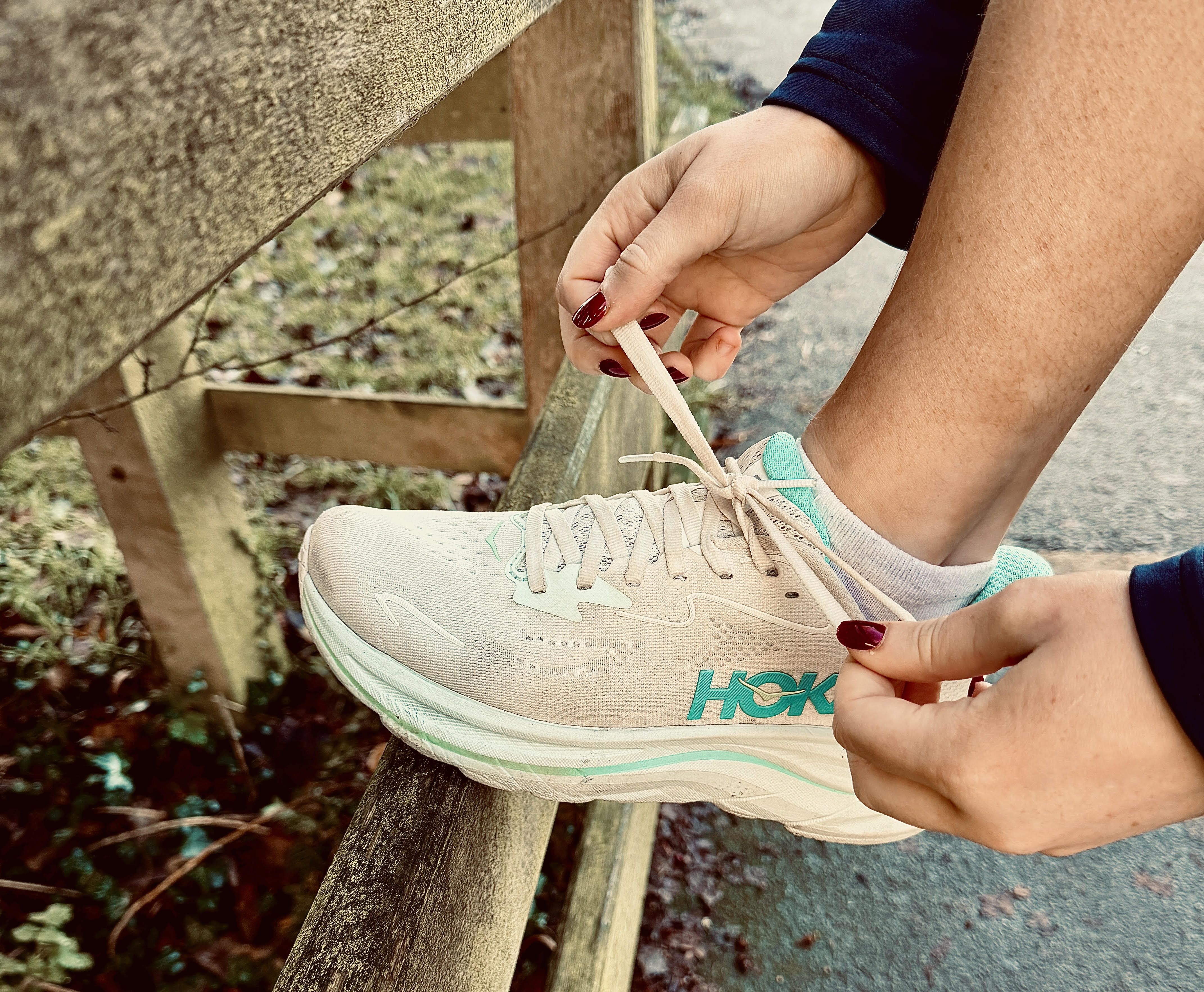
Step one of running, tie your laces. Step two, run your race [Photo: Paige Buffham]
Step one of running, tie your laces. Step two, run your race [Photo: Paige Buffham]
For many people, running offers something quite rare: being able to switch off from the outside world. According to Network Rail, 78% of Gen Z admit to finding it hard to open up about mental health issues. Linking this with the 60% of Gen Z that run weekly, we can draw from this that most of this category of runners are experiencing mental health issues. This further solidifies the argument that people run to better their mental health, to forget about their stresses. With working lives becoming increasingly fragmented, training for a half-marathon offers Gen Z routine and structure, which this generation likes to live by. Having a 12-week training plan for a half-marathon race offers a tangible reward at the end, which can motivate people to carry on training and enter more races. The rhythm of running helps to regulate anxiety and stress. Your breathing can calm down the nervous system, which is why running these longer distances, like half-marathons, is even better for your mental health, as breathing rhythms help your body and brain to calm down for longer periods of time. "People don’t get much alone time anymore, so training for a half-marathon can provide that peaceful break amongst life commitments,” said Rosie. With Gen Z speaking more openly than ever about mental health, running becomes a ‘cure’ for when athletes open up about their issues. The peaceful rhythm that running maintains allows Gen Z to navigate the half-marathon race, to meet their impressive needs, and squash their struggles.
With rising prices and shrinking wages, running offers Gen Z value without compromise. Many Gen Z runners are students or new employees, where a large disposable income isn't easily available. So, a cheap sport like running is perfect for this generation. The cheapest Gym membership you can get in the UK is £14.99 a month at The Gym Group, and that’s only for certain gyms. With that membership being more expensive than something like a Netflix subscription, you can guess which direction the majority of Gen Z go in. Running, however, only requires a pair of trainers, which most people usually have. All you have to do is leave your house and run. This suits Gen Z in and amongst their busy schedules, without having a set time or date to complete it. Park Run is another social event where people can turn up for free and run 5k routes in different locations every Saturday morning. “Park Run incorporates that together feeling that you will also experience running a half-marathon, so getting down to your local Park Run, starting as a group and being surrounded by incredible people is a great way to get you ready for your race day,” said Rosie Tinbergen. The easy accessibility of Saturday Park Runs, that come with no joining fee like many London run clubs do, allows so many people to run and make friends, which is what Gen Z lifestyles are thriving off now.
Success, for many young runners, no longer involves a medal or a blue tick, but instead the simple act of showing up again. This is what The Great Run Company strives for. Their strategy is to get just one extra person to enter, because if one person signs up, then this encourages their friends, family and followers to participate as well. The impacts of social media convert into so many different forms of evidence for the rise in race popularity. Similarly, the TCS London Marathon recorded 105% increase in Gen Z entries this year. A record number of 840,318 people entered the ballot, confirming how, every year, these numbers for events are just increasing and increasing. Marketing director of The Great Run Company, Ollie Griffiths, said, “We always try to find different new hooks to get people at our events, whether it’s afterparty, DJs or entry only experiences that make people go ‘oh i want to do that’”. Keeping the core values and premise of these events the same is key, whilst adding sprinklings of new trendy motives, to get people signing the ballot papers. “Signing up to an event gives you a challenge that will push you to actually start running,” said Ollie. “That initial sign-up is the first hurdle to jump, and once you have done that, the rest is an enjoyable breeze.” The 39% surge in half marathon participation at The Great Run company in 2024, alongside the 47% of entrants being under 35, shows the continuing trend at big running events of individuals following through with their new challenge or resolution. Success comes from entry and completion over time and pace.
Signing up to an event gives you a challenge that will push you to actually start running
Ollie Griffiths, Marketing Director of The Great Run Company
Beneath the heightened endorphins and confidence that surround Gen Z, running may obstruct the inner pressures that come with running. Strava revealed that the UK recorded 54% of people saying they run because “if they don’t go now, they won’t fit in.” This kind of expectation shows there can be negative contributing factors to this trend in running. The pressure to train for these events, like half-marathons, could end up causing subsequent negative mental health impacts, where people are piling on the pressure to run every day or complete the race in a certain time that their training plan tells them to. Another pressure beneath the positivity is injury. According to Temple Health, Runner’s Knee, the overuse of your knee, affects 30% of female runners and 25% of male runners. As much as the figure isn’t huge, thinking about 30% of female runners worldwide is quite a large number of people. Gen Z’s expectations of themselves to succeed mainly comes from that outside pressure. This generation wants to achieve distances like half-marathons, to prove to people they can do it, rather than doing it for themselves. A person’s morals can map out the mental journey they go on when running, so this generation needs to be competing to shape the future of running.
Hobbies and habits can form during uncertain times, but will the habit of running become a permanent thing or a temporary fix? During COVID, Gen Z were also making whipped coffee and using fidget spinners, which have since become trends that have died out in popularity. So what is happening to prove that this running phase isn’t just a trend? For Gen Z who love to structure their work, social life and self-perception, running allows them to add something new into their routine, rather than something they dip in and out of. In the cost-of-living context, running is one of the few sports that doesn’t require expensive equipment or a membership, and that won’t change. Yes, buying the new Nike kit or a pair of the brightest Hoka trainers might be expensive, but they aren’t a requirement to run, which makes running a sustainable long term hobby. With increased mental health issues since COVID, Gen Z’s strategy to use running as an escape and coping mechanism gives running a purpose and reason to carry on, beyond keeping fit. As for half-marathons, the Great North Run has only seen increases since the pandemic, with around 57,000 entries pre-pandemic, compared to 60,000 participants through the ballot. There has also been an increase to 200,000 supporters for The Great North Run, showing how the running boom doesn’t just affect runners positively; it impacts the wider community as well.

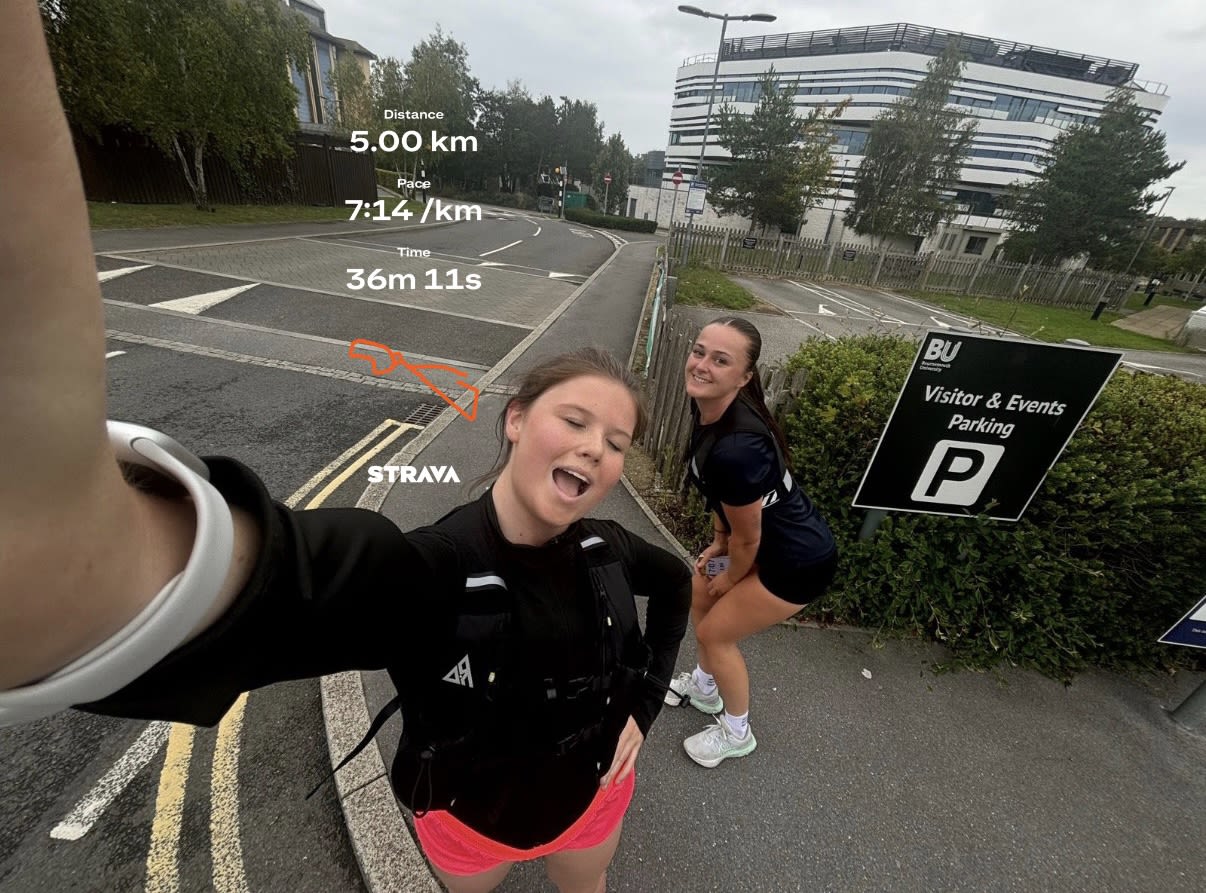
What Strava sees: First ever 5k with Sophie Hicks [Photo: Paige Buffham]
What Strava sees: First ever 5k with Sophie Hicks [Photo: Paige Buffham]

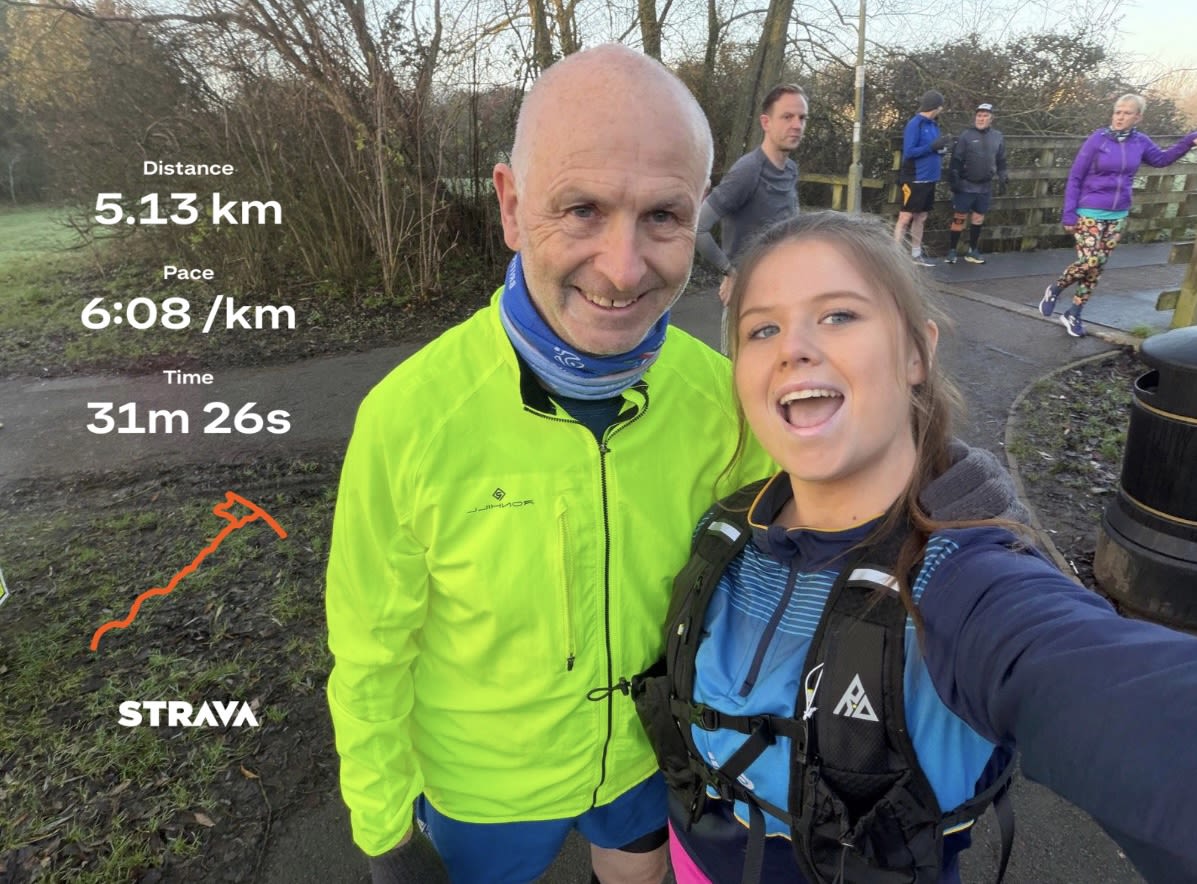
What Strava sees: First ever Park Run with Mike Buffham [Photo: Paige Buffham]
What Strava sees: First ever Park Run with Mike Buffham [Photo: Paige Buffham]

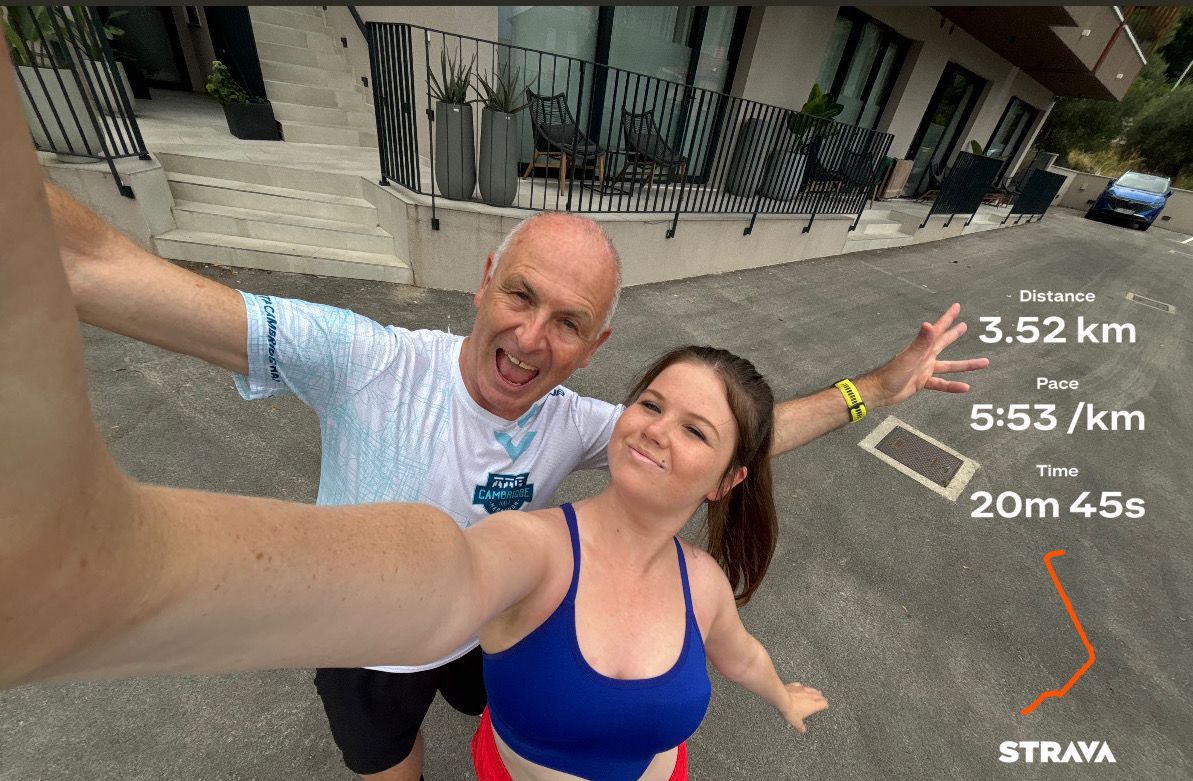
What Strava sees: First over 1km run in Croatia with Mike Buffham [Photo: Paige Buffham]
What Strava sees: First over 1km run in Croatia with Mike Buffham [Photo: Paige Buffham]
Running’s emergence among Gen Z is less about chasing views and likes on social media and more about finding some normality in an unpredictable world. Running is able to offer something rare: constant progression, low costs and self-assurance. This can fit around Gen Z’s inconsistent working lives, which can provide that sense of community within the run clubs, and define success on their own terms. The half-marathon has become the perfect answer for Gen Z. It's about the balance of weighing up what is achievable versus feeling accomplished, along with a distance not being too far out of reach. It sits in the middle between the elite runners with ambitions of sub-1-hour 45 minutes, and the casual runners who just want to finish it. The routine to train for the 13.1 miles is what appeals to the Gen Z demographic the most. This allows them to have the best work-life balance. For this generation, the half-marathon isn’t just a race, but a milestone that’s achievable and offers that community feel when being surrounded by thousands of other people doing it as well. Overall, the link between Gen Z and running isn’t going to pull up any time soon, and as I’ve learnt, once you start running, you don’t know how to stop. The Gen Z running trend should be redefined as the Gen Z runners’ lifestyle, as the passion and enjoyment for running isn’t going to die out anytime soon. Running will always be there and subsequently be a part of Gen Z life. “You don’t have to commit straight away. If you want to walk it, walk it. If you want to jog it, do that. Keep showing up, you will get quicker, enter races and work up the ladder to 10k and half marathons, then marathon, and you will find a love for a sport you won’t be able to ignore, said Geoff Wightman.

Montage of a Gen Z running journey through my eyes [Videos: Paige Buffham]
Montage of a Gen Z running journey through my eyes [Videos: Paige Buffham]
 Built with Shorthand